⚠️ DISCLAIMER: This website is for informational purposes only and is based on personal lived experience with Multiple Sclerosis. It is NOT medical advice. Always consult a qualified healthcare professional for diagnosis, treatment, or medical decisions. The author is not a doctor or medical professional.
“MS IS NOT SOMETHING TO FEAR, BUT SOMETHING TO UNDERSTAND.”
What is MS
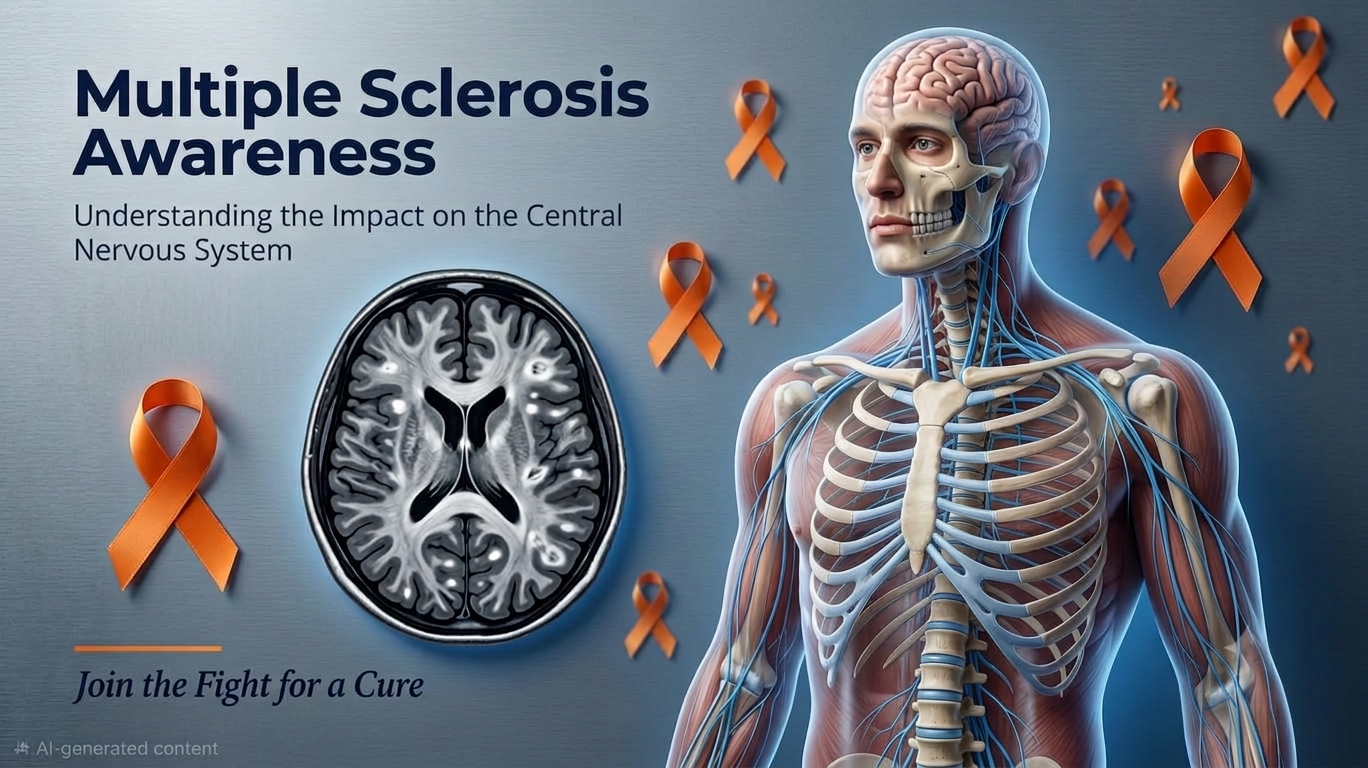
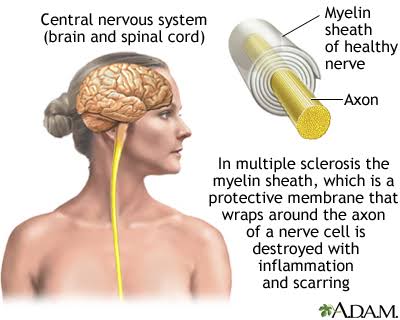
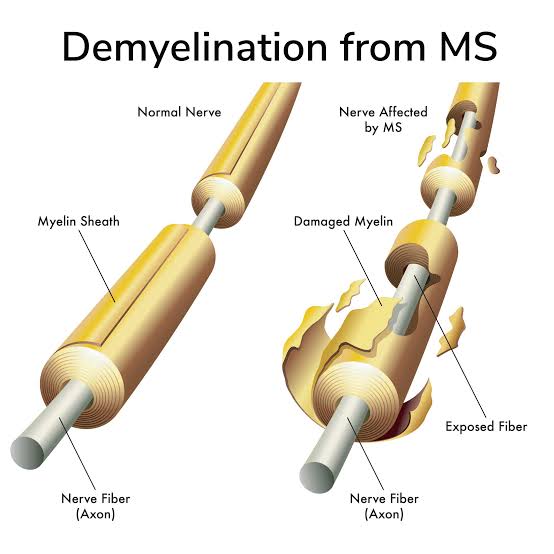
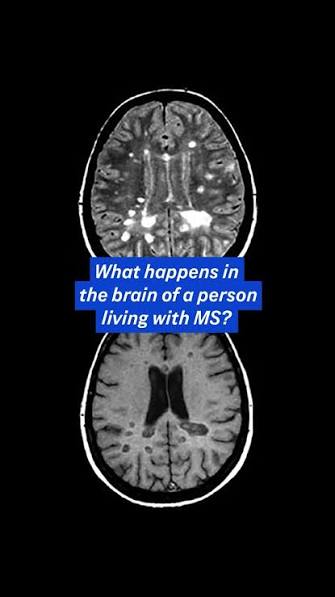
Multiple Sclerosis (MS) is a long-term condition that affects the brain and spinal cord. It occurs when the immune system mistakenly attacks the protective covering of nerves, called myelin, which makes it harder for messages to travel properly through the nervous system. MS affects people in different ways. Some people have mild symptoms that come and go, while others may face more serious challenges in daily life. MS is a disease of the central nervous system, which includes the brain, optic nerves, and spinal cord. When myelin is damaged, signals between the brain and body slow down or are interrupted. You can think of myelin like insulation around an electrical wire. When that insulation is damaged, the signal becomes weak or unreliable.
ms Triggers
The exact cause of Multiple Sclerosis (MS) is still not fully understood.
In MS, the immune system mistakenly attacks the brain and spinal cord, especially the myelin that helps nerve signals travel normally. Scientists do not yet know a single exact cause, but they believe a person’s genes, combined with certain triggers, can increase the chance of developing MS.
Common Triggers and Risk Factors
Epstein-Barr virus infection, which is strongly linked to MS risk.
Low vitamin D or limited sunlight exposure.
Smoking, which is linked to higher risk and faster worsening.
Obesity in childhood or adolescence.
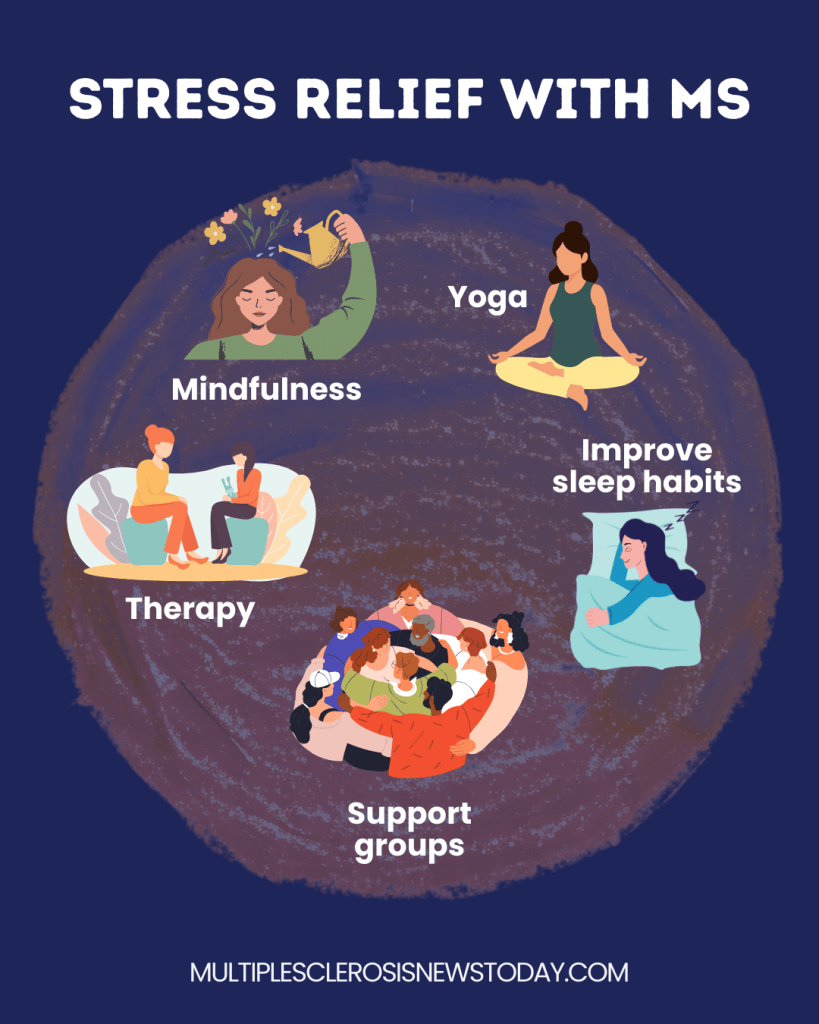
Stress, infection, poor sleep, heat, and overexertion can worsen symptoms or trigger relapses in some people, even if they do not “cause” MS itself.
Symptoms
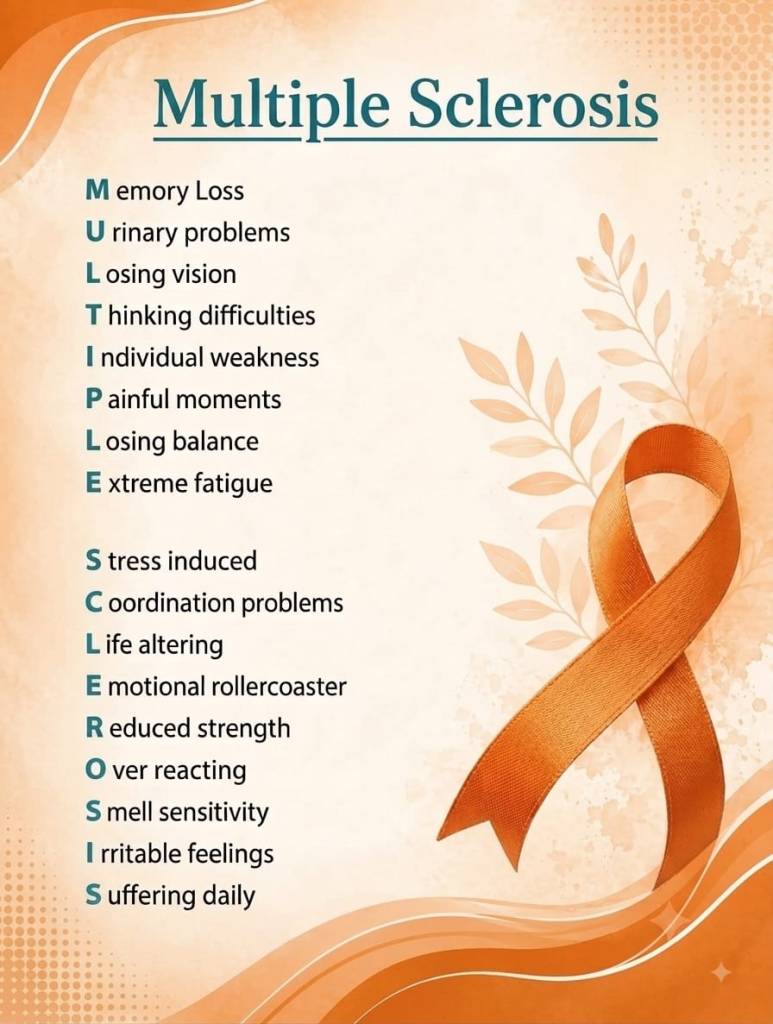
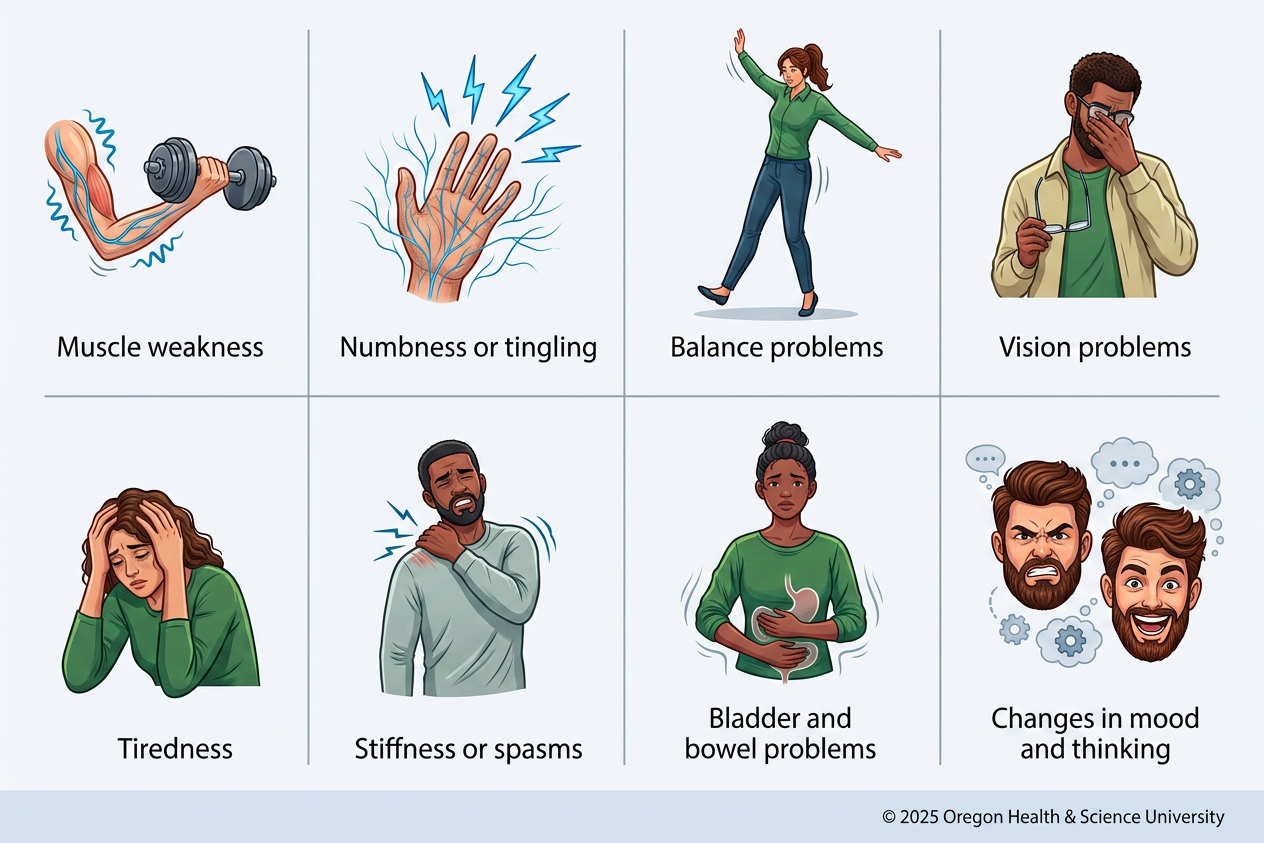
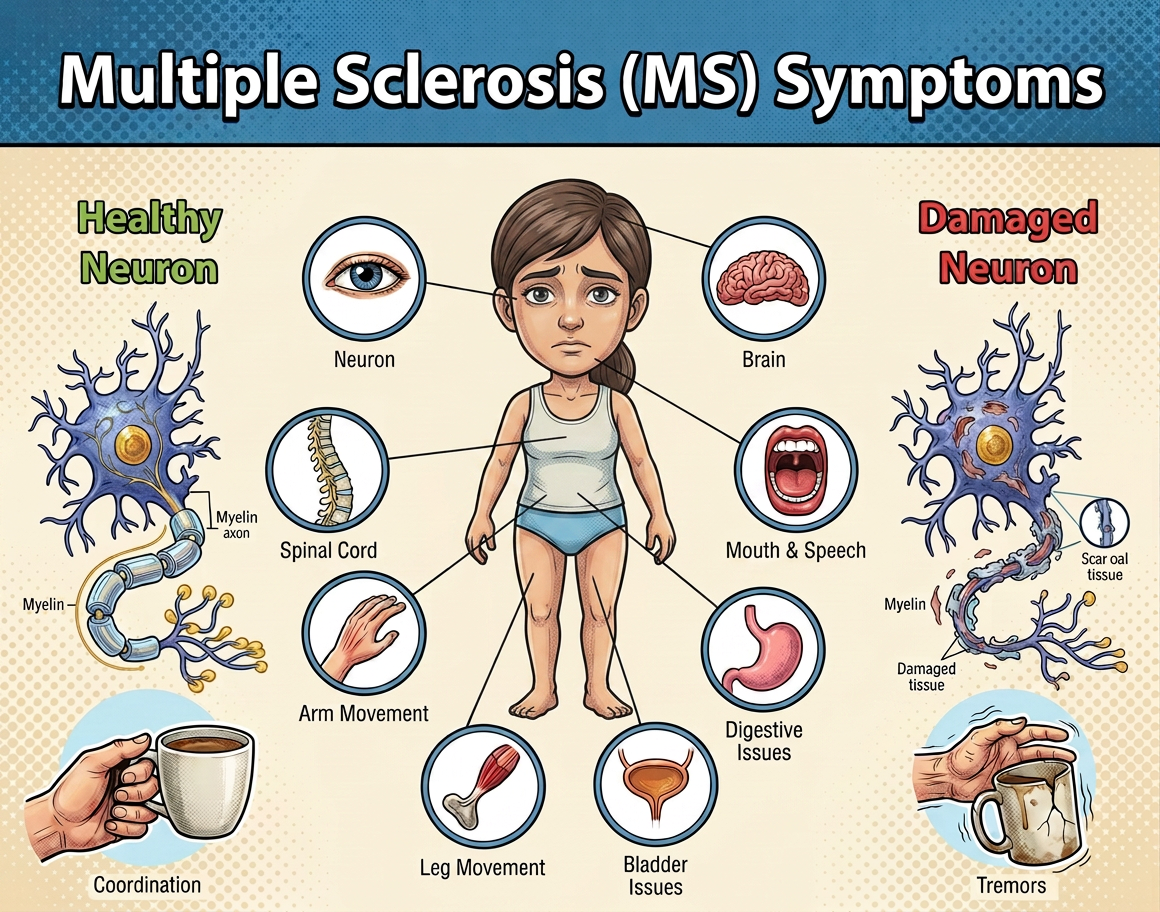
MS symptoms can vary a lot from person to person. The symptoms depend on which part of the nervous system is affected and how severe the damage is. Common symptoms include: Numbness or tingling. Weakness in the arms or legs. Trouble walking. Balance problems. Blurred or double vision. Fatigue. Muscle stiffness or spasms. Bladder or bowel problems. Memory or concentration problems . Fatigue is one of the most common and difficult symptoms. It is not the same as ordinary tiredness and may not improve fully with res symptoms include:
Numbness or tingling.
Weakness.
Trouble walking.
Balance problems.
Vision changes.
Fatigue.
Bladder or bowel problems.
Problems with thinking or concentration .
“MS IS NOT SOMETHING TO FEAR, BUT SOMETHING TO UNDERSTAND.”
Types of MS
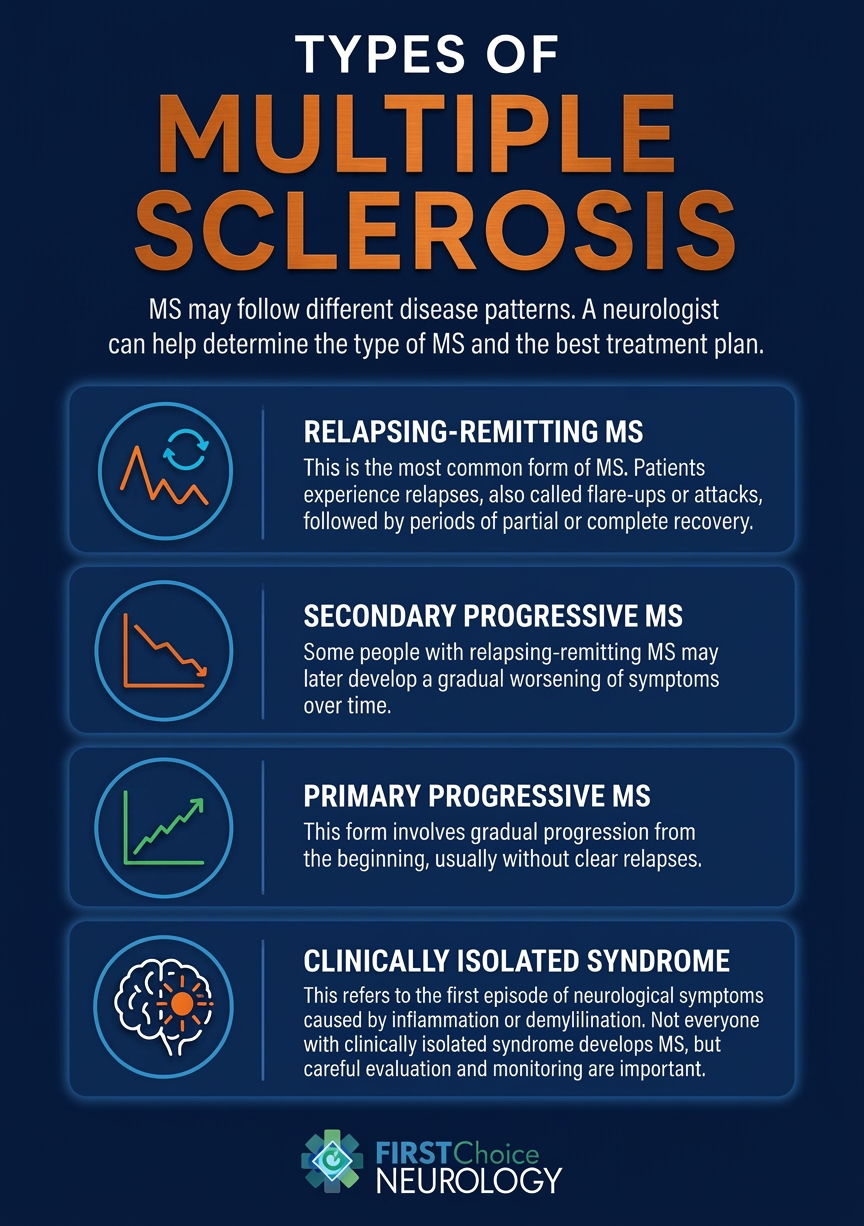
MS does not follow the same pattern in every person. There are different types, and each one can affect the body in a different way . The main types are: – Relapsing-remitting MS. – Secondary progressive MS. – Primary progressive MS. – Clinically isolated syndrome, which may be the first attack but not always enough for a full diagnosis . In relapsing-remitting MS, symptoms come in attacks or relapses and then improve for a period of time. In progressive forms, symptoms gradually get worse over time . Causes and Risk Factors The exact cause of MS is still not fully known. Experts believe it may result from a combination of genetic and environmental factors.In relapsing-remitting MS, symptoms come in attacks or relapses and then improve for a period of time. In progressive forms, symptoms gradually get worse over time
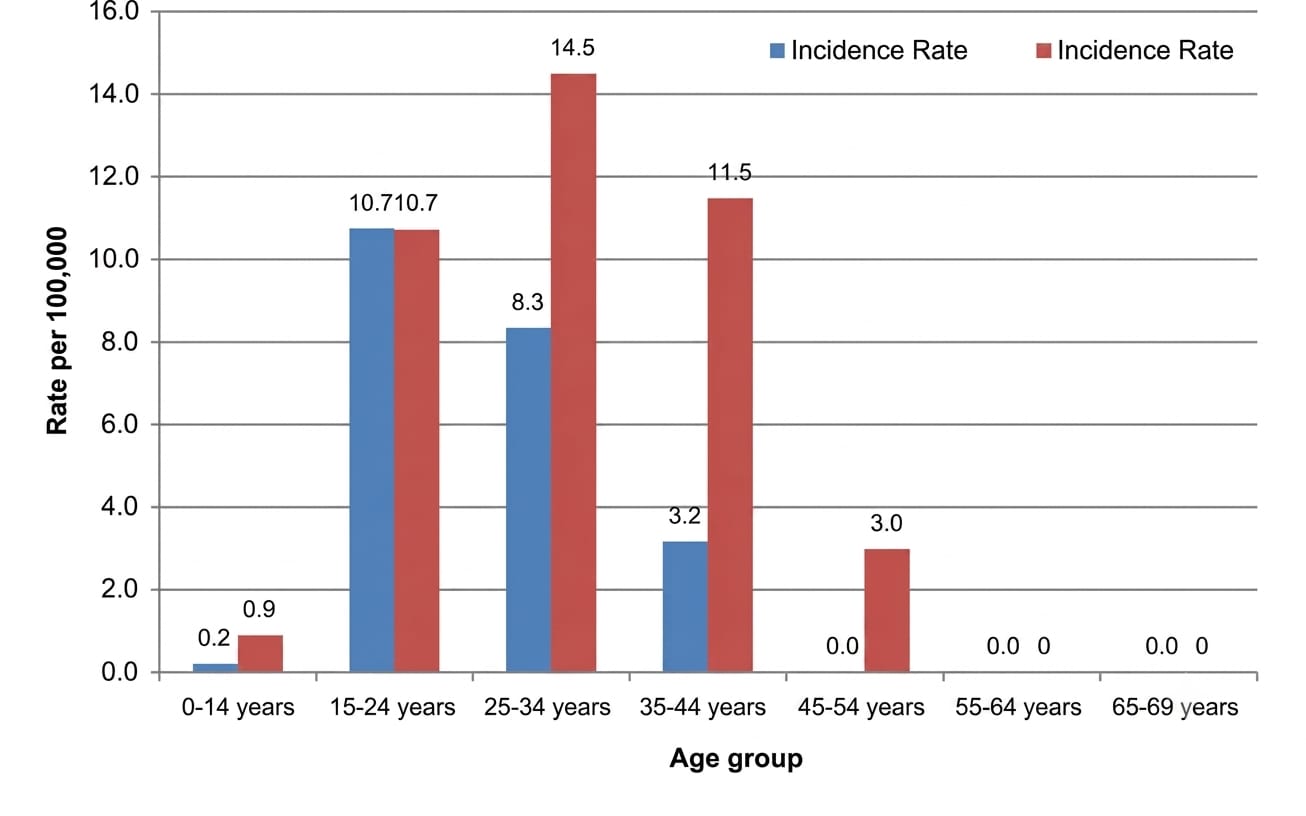
Causes and Risk Factors The exact cause of MS is still not fully known. Experts believe it may result from a combination of genetic and environmental factors . MS usually starts in young adults, often between ages 20 and 40. It is also more common in women than in men . MS is not contagious, so it cannot be spread from one person to another
MS usually starts in young adults, often between ages 20 and 40. It is also more common in women than in men . MS is not contagious, so it cannot be spread from one person to another
“MS IS NOT SOMETHING TO FEAR, BUT SOMETHING TO UNDERSTAND”
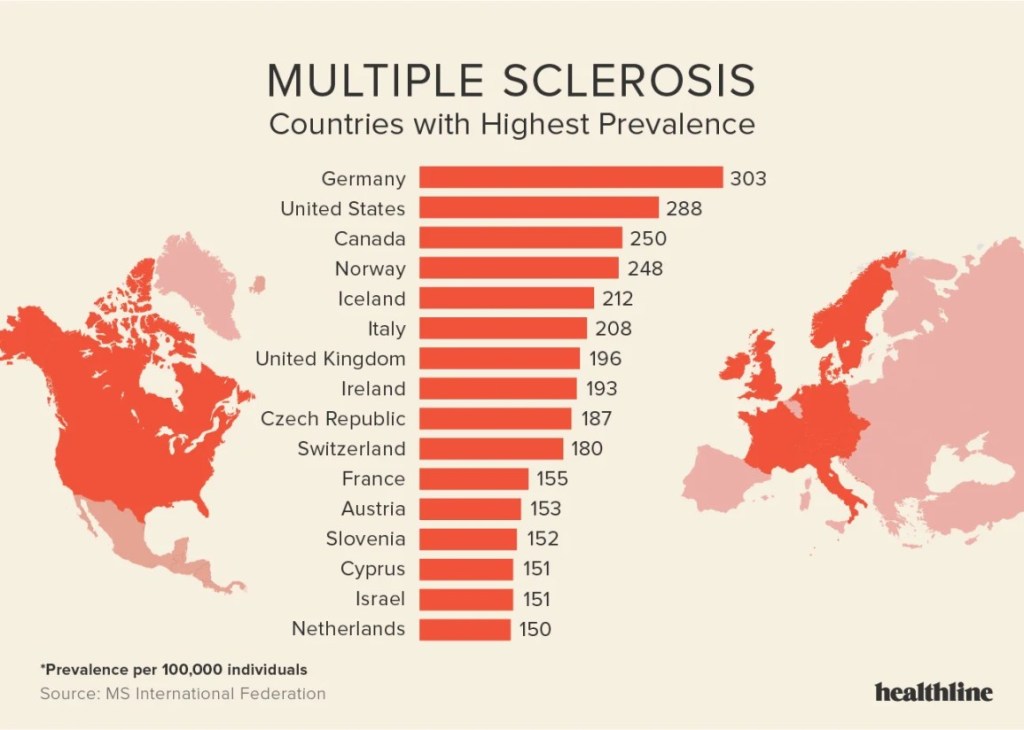
Global Multiple Sclerosis Facts
“MS IS NOT SOMETHING TO FEAR, BUT SOMETHING TO UNDERSTAND”
How MS Is Diagnosed
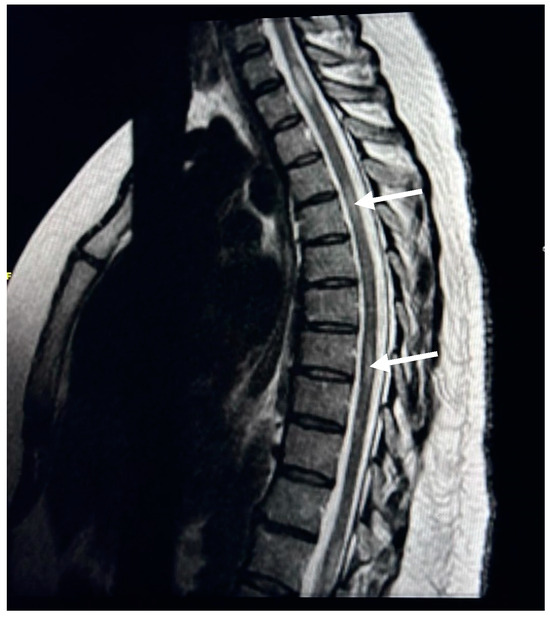
Doctors diagnose MS by looking at the whole picture, not just one test. They usually combine the patient’s symptoms, a neurological exam, MRI scans, and sometimes spinal fluid tests or other blood tests .
There is no single test that proves MS on its own. Doctors also need to rule out other conditions that can look similar .
“MS IS NOT SOMETHING TO FEAR, BUT SOMETHING TO UNDERSTAND.”
Treatments
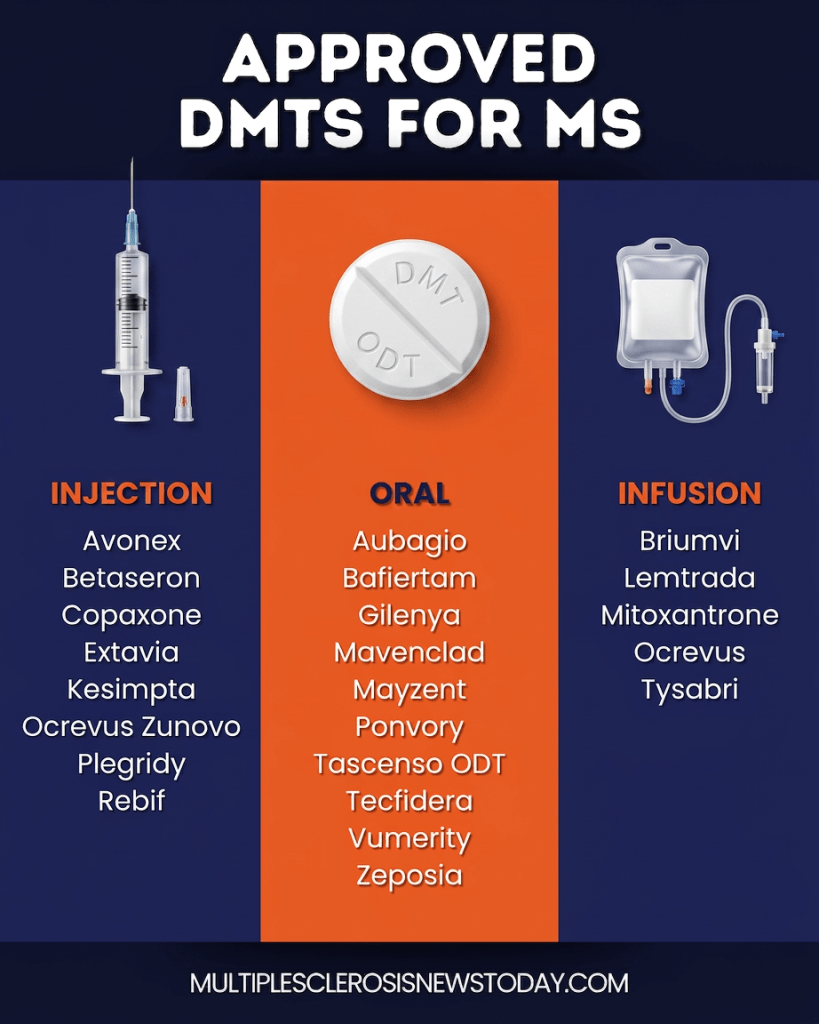
There is currently no cure for MS, but treatment can help reduce relapses, slow disease activity, and manage symptoms.
Treatment may include:
Disease-modifying therapies.
Steroids for relapses.
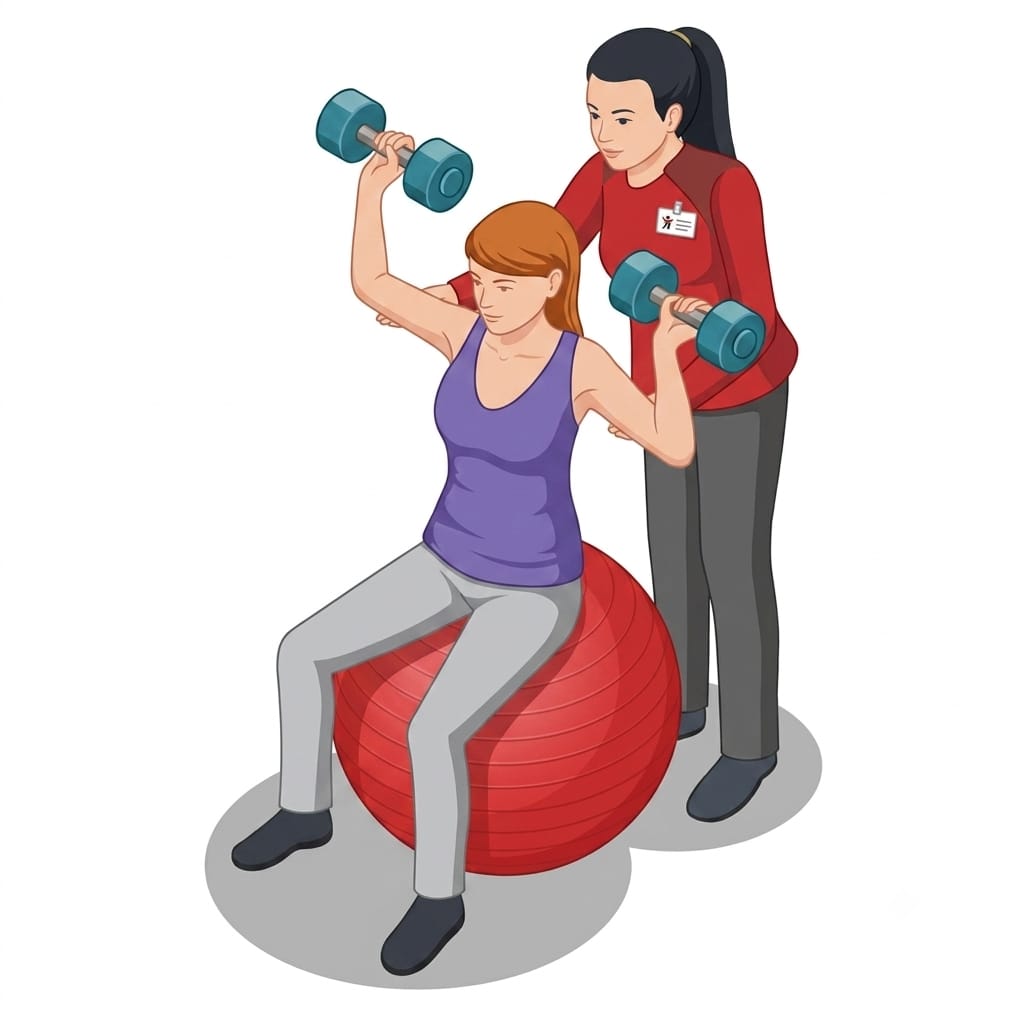
Physical therapy.
Occupational therapy.
Symptom management for pain, stiffness, or bladder problems.
Emotional and mental health support .
The goal of treatment is not only to reduce symptoms, but also to help people stay active and maintain quality of life for as long as possible
Complementary MS Treatment
Living With MS
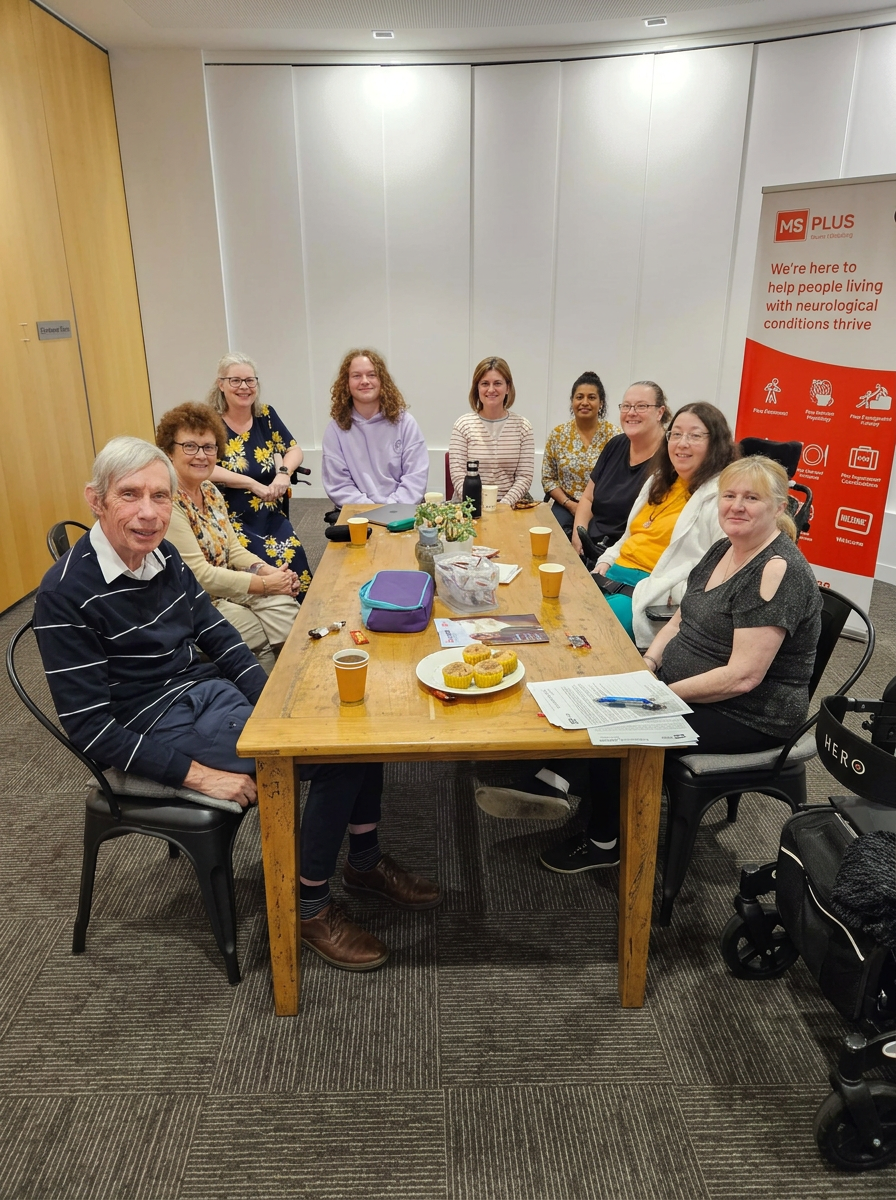
Living with MS can be physically and emotionally challenging. Some people may appear well on the outside while dealing with pain, fatigue, numbness, or brain fog on the inside. Daily life may require planning around energy levels, medical appointments, rest, and support from family or friends. Many people with MS continue to work, study, raise families, and live meaningful lives with the right support. Emotional Well-Being MS can affect mental health as well. Living with a long-term condition can bring stress, anxiety, sadness, frustration, or fear about the future. That is why emotional support matters. Talking to a counselor, joining a support group, or connecting with other people who understand MS can make a big difference. When to Seek Medical Help You should see a doctor if you notice symptoms such as vision changes, ongoing numbness, weakness, balance problems, or unexplained fatigue. If symptoms come on suddenly or worsen quickly, medical attention is important. If a person with MS has a new relapse, worsening symptoms, or signs of infection, they should contact their healthcare team as soon as possible.
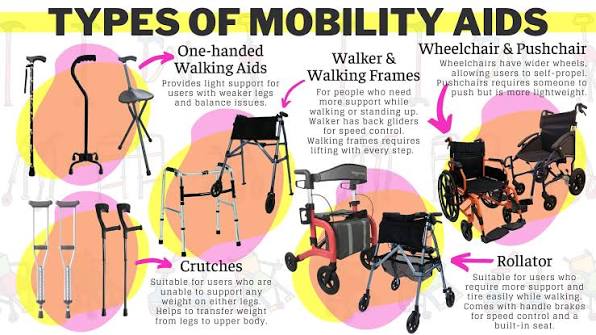
Assistive Devices
“trust me, eventually You are going to need it”
“An assistive device is not a sign of failure. It is a tool for independence”
Using a cane, walker, wheelchair, or scooter does not mean you have given up on walking. Sometimes, the right device simply helps you save energy for things that matter most.
Supplements and Lifestyle
Some supplements may help if there is a deficiency, especially vitamin D or B12 when medically indicated, but supplements should not replace disease-modifying treatment. A healthy diet, sleep, stress management, and moderate physical activity can support overall well-being, although they do not cure MS.
Myths and Facts
A few key facts can help reduce misunderstanding: MS is not a normal part of aging. MS is not contagious. MS is not the same for everyone. MS can affect people who appear healthy. Early diagnosis and treatment can help. This section is especially useful for a public education website because many people still have the wrong idea about MS. Frequently Asked Questions Is MS curable? No cure exists yet, but many treatments can help manage the disease and reduce relapses. Can people with MS live a normal life? Many people with MS can live active and meaningful lives, especially with treatment, support, and good symptom management. Is MS a disability? It can be disabling, but the impact varies widely. Some people have mild symptoms, while others have more serious physical limitations.
Does MS always get worse? Not always. Some people have long periods of stability, while others have more active or progressive disease.
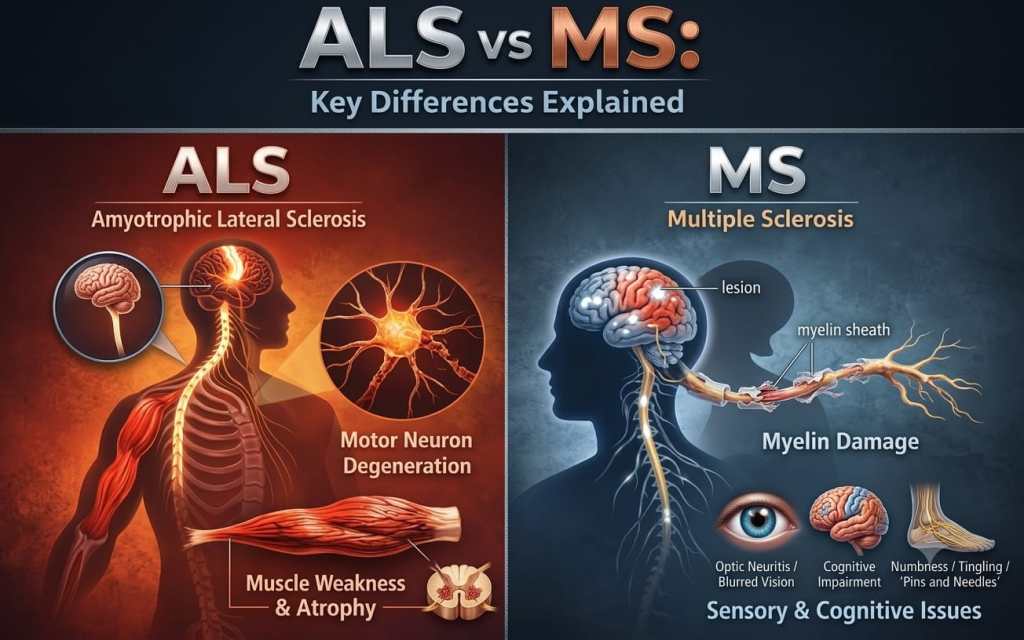
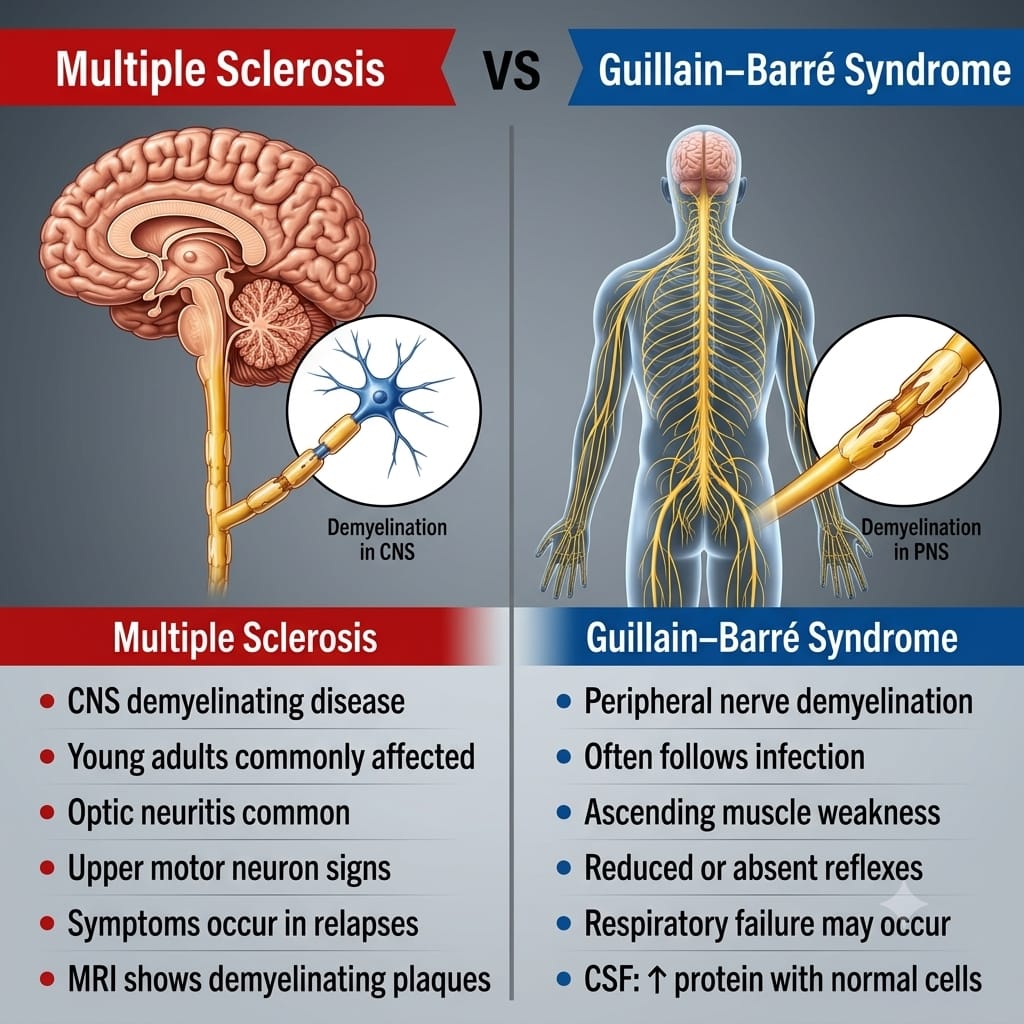
MS Versus Other Neurological Conditions
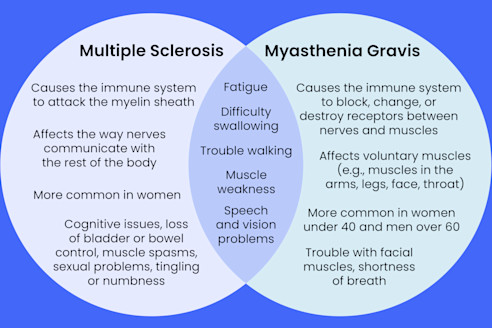
“MS can look like many other neurological diseases. What makes it different is the pattern: the immune system causes damage in different parts of the central nervous system, at different times, leaving characteristic lesions that can be seen on MRI and sometimes detected in spinal fluid.”
“MS IS NOT SOMETHING TO FEAR, BUT SOMETHING TO UNDERSTAND.”
Living Well Page
MS is different for every person, so the goal is not to live like everyone else, but to live wisely within your own capacity. Heat sensitivity, cold stiffness, fatigue, and energy limits should be respected, because overexertion can make symptoms worse. Practical aids can also be part of dignity and freedom: cane, walker, rollator, AFO braces, wheelchair, and adaptive tools can help protect energy and improve independence. This is not weakness; it is smart adaptation
Nutrition
Nutrition Needs for Multiple Sclerosis Patients There is no single scientifically proven “MS diet,” but strong evidence supports an anti-inflammatory, nutrient-dense eating pattern—similar to the Mediterranean, MIND, or DASH diets—for managing symptoms and supporting overall health. Key Nutrients to Prioritize Several nutrients show particular relevance for MS symptom management and immune function: Vitamin D – commonly low in people with MS; supports immune regulation, although direct evidence that it alters disease course is still limited Omega-3 fatty acids – found in fatty fish such as salmon, tuna, and sardines; help reduce inflammation and support brain health Vitamin B12 – supports nerve function and may help reduce fatigue Fiber – from fruits, vegetables, whole grains, and legumes; supports gut health and helps manage constipation, a common MS symptom Antioxidants – abundant in berries, leafy greens (such as spinach and kale), and other colorful produce; help combat oxidative stress Probiotics – found in yogurt and fermented foods such as kefir; may support gut-immune balance
Recommended Dietary Patterns Research consistently favors plant-forward, low–saturated fat eating patterns over restrictive fad diets: Mediterranean diet – linked to a roughly 40% lower risk of developing MS and associated with symptom improvement MIND diet – emphasizes leafy greens, berries, nuts, beans, whole grains, fish, and olive oil while limiting red meat and sweets General guidance – high intake of fruits, vegetables, legumes, whole grains, and fish; low intake of saturated fat, salt, and processed sugar Foods and Habits to Limit Certain foods are consistently linked to worsening symptoms or increased inflammation: Red and processed meats, high-fat dairy, butter, and stick margarine Sugary drinks, sweets, and pastries Ultra-processed and fried foods Excess sodium and alcohol (no more than one drink per day for women and two for men) Practical Application by Symptom
Restrictive or trendy diets such as ketogenic plans or intermittent fasting currently lack strong evidence for MS specifically. Experts recommend building sustainable habits—gradually adding nutrient-dense foods rather than eliminating entire food groups—instead of chasing a “miracle diet.” Because MS varies widely from person to person, working with a healthcare provider or dietitian to tailor these general principles to individual symptoms and lab values (such as vitamin D levels) is the most reliable approach.
“MS IS NOT SOMETHING TO FEAR, BUT SOMETHING TO UNDERSTAND.”
Faith, Hope, and Support
Living with MS has taught me that strength does not always look like standing tall. Sometimes, strength is simply getting up again after you have fallen—physically, emotionally, and in life. There have been days when I felt strong, and days when I felt completely broken. I have watched parts of my life change in ways I never expected, and there were moments when I wondered whether I was falling behind while everyone else was moving forward. But I am still here. MS has taken some things from me, but it has not taken my ability to hope, to dream, to love, or to begin again. I may walk differently. I may move more slowly. My journey may look different from everyone else’s. But different does not mean defeated. I don’t know exactly what the future will look like. But I have learned that I don’t need to have all the answers today. I only need enough courage to take the next step. This is not a story about someone who never fell. It is a story about someone who kept finding a reason to rise. MS is part of my story. It is not the end of it.”
“I may have MS, but MS will never have the final word on who I become.”
“I am still learning how to accept the things I cannot change without giving up on the things I still can.”
My MS Journey: The Life I Never Expected
Before MS Before multiple sclerosis became part of my life, I was an active person. I loved being physically active. Sports were part of who I was. I was used to moving, doing things, pushing myself, and believing that if I wanted something badly enough, I could work hard enough to achieve it. I never imagined that one day something inside my own nervous system would begin changing the way I moved through life. Then, in October 2008, everything changed. The First Signs It started with something that seemed strange but easy to underestimate tingling. The tingling continued throughout the day. Then things became worse. My body began feeling stiff. The stiffness became more noticeable, and I started realizing that something was not right. I went to the emergency room. They performed a CT scan. The result was normal. But I knew something was wrong. A normal scan did not mean that I was imagining what I was feeling. The following day, the stiffness became more severe. Eventually, the doctors performed a lumbar puncture and examined my cerebrospinal fluid. That was when I received the diagnosis: Multiple Sclerosis. When a diagnosis changes your world hearing the words “you have MS” was more than hearing the name of a disease. It changed the way I looked at my future. I was young. I had plans. I was active. I thought about the things I could do, the things I wanted to accomplish, and the person I wanted to become. Suddenly, I was being asked to imagine a future with a neurological disease that I barely understood. There was fear. There was confusion. There was sadness. And, honestly, there were moments when my mind went very low. I had questions that I could not immediately answer: Will I still be able to walk? Will I still be able to exercise? Will I still be independent? What will happen to my future? Why me? At that time, MS felt like something happening to me. I didn’t yet understand that learning about MS would eventually become one of the ways I learned how to live with it.
The Ups and Downs My MS journey has never been a straight line. There have been better days. There have been difficult days. There have been periods when I felt strong and hopeful, and other periods when my body reminded me that MS has its own rules. I experienced relapses. I experienced weakness, stiffness, fatigue, balance problems and changes in my ability to walk. Every relapse taught me something. Not always immediately. Sometimes the lesson only became clear much later. One of the hardest lessons was accepting that my body has limits. That acceptance was not surrender. It was learning to become realistic. I Am Still Here Today, I use a cane. There are things I cannot do in the same way I used to. Sometimes I have to slow down. Sometimes I have to rest. Sometimes I have to say no to something my mind wants to do because my body simply does not have the energy. That can be difficult. But I have learned something important: Changing the way you live is not the same as giving up on life. A cane is not a symbol that I have failed. It is a tool that helps me continue. A wheelchair is not the end of independence. A walker is not weakness. An assistive device is not a defeat. Sometimes the strongest thing you can do is accept the tool that allows you to keep moving forward. MS Changed Me — But It Did Not Define Me I used to measure strength by how much I could physically do. MS taught me another definition of strength. Strength can be getting out of bed on a difficult morning. Strength can be doing your stretching even when your body feels stiff. Strength can be stopping before you completely exhaust yourself. Strength can be asking for help. Strength can be using a cane. Strength can be accepting a different pace. Strength can be starting again after a setback. And sometimes strength is simply saying: “I am still here.”
What MS Taught Me Every person with MS is different. There is no single MS experience. One person may have mild symptoms for decades. Another may experience significant disability. Someone may have many relapses. Someone else may have a progressive course. Some people continue working full-time. Some need to change careers. Some use a cane. Some use a walker. Some use a wheelchair. None of these stories makes one person more valuable than another. We are not competing. We are not running the same race.
I have learned that I cannot compare my body with a person who does not have MS. I have to understand my own body, my own energy, my own limits and my own pace. Don’t Waste Your Energy. One of the most important lessons MS has taught me is that energy is priceless. When you live with MS, you cannot always spend energy as if you have an unlimited supply. Sometimes you have to choose. What is important today? What can wait? What deserves my energy? What does not?
I learned that being active is important — but doing too much can also work against me. For me, stability became important. Be active, but don’t destroy yourself trying to be active. Move. Stretch. Strengthen. Rest. Adapt. Repeat.
I Still Believe There Is Purpose My faith has also become part of my journey. I don’t pretend that I understand why everything has happened I don’t believe that every difficult thing needs an easy explanation. But I choose to keep my faith. I believe that even through suffering, there can still be purpose. Maybe my journey is not only about what MS has taken from me. Maybe it can also be about what I can give to someone else because I have experienced it. That is one reason I created this website. Why I Created This Website. When I was first diagnosed in 2008, I did not have the understanding of MS that I have today. There was fear. There was confusion. There were questions. And there were many things I wish someone had explained to me in simple language. So I created this place for the person who has just heard: “You may have MS.” For the person sitting in a hospital room wondering what happens next. For the family member who does not understand why someone with MS can look completely fine one day and struggle to walk the next. For the person who searches the internet and becomes even more frightened because everything sounds complicated. And for the person who has already lived with MS for years but still has questions. I want this website to make MS easier to understand. Not to replace doctors. Not to promise a miracle. Not to tell you that one treatment works for everybody. But to help you become more informed, more prepared, and more confident when talking with your healthcare team.
My Message to Anyone Living With MS Don’t let MS convince you that your life has no meaning. Your life may be different. Your pace may be different. Your abilities may change. Your plans may need to change. But different does not mean worthless. You don’t have to compete with the person next to you. You don’t have to live at somebody else’s pace. Don’t be too hard on your body. Learn its signals. Respect its limits. Use the tools that help you. Move when you can. Rest when you need to. Protect your energy. Take care of your mind. Take care of your body. Keep learning. Keep asking questions. Keep hope alive. And if faith is part of your life, keep believing in your God even during the seasons when you don’t understand what is happening. Life Must Go On MS does not stop my life. It has changed my life. There is a difference. I am still learning. I am still adapting. I am still fighting. I am still hoping. And I am still here. My journey with MS began in October 2008. It is not the story I would have chosen. But it is the story I am living. And if sharing my journey can help even one person feel less afraid, less alone, or more prepared to face their own diagnosis, then perhaps my struggle can become something meaningful. MS is not something to fear. It just needs to be understood. And sometimes, understanding is where hope begins.
About Me
I am an Indonesian who studied abroad in the United States, developed Multiple Sclerosis at a young age just one semester before graduating from college, and was still able to complete my degree.
Why I Created This Website
More than 15 years ago, Multiple Sclerosis became part of my life.
Since then, I have learned that living with MS is about much more than managing symptoms or going to medical appointments. It is a journey of uncertainty, adaptation, resilience, learning, and discovering strength in places I never knew existed.
I created this website because I believe that knowledge can change lives.
Multiple Sclerosis is still not well understood by many people, particularly in parts of Asia where MS is less commonly recognized and awareness remains limited. In countries such as Indonesia, many people may never have heard of MS, may not recognize its symptoms, or may confuse it with other neurological conditions.
That lack of understanding matters.
MS can look very different from one person to another. Symptoms can include weakness, numbness, problems with balance or walking, vision changes, fatigue, cognitive difficulties, and many other neurological symptoms. It is not one disease that looks the same in everyone. MS is complex, unpredictable, and deeply individual.
Even today, people around the world can experience delays or misdiagnosis before receiving an accurate MS diagnosis. Global research has identified lack of awareness among both the public and healthcare professionals as a major barrier to early diagnosis.
That is one of the reasons I decided to share my story.
Sharing What I Have Learned
I am not a doctor, and this website is not intended to replace professional medical advice.
I am a person living with MS.
After more than 15 years with this disease, I have experienced uncertainty, questions, difficult days, changes in my body, and the challenges of adapting to a life I never expected to live.
I have also learned that sometimes, hearing from another person who has walked a similar path can make a tremendous difference.
Through this website, I want to share my experiences, lessons, challenges, discoveries, and perspectives—not because my journey is the same as everyone else’s, but because one person’s experience may help someone else feel less alone.
Maybe someone is experiencing unexplained symptoms and has never heard of MS.
Maybe a family member is trying to understand what their loved one is going through.
Maybe someone has just received a diagnosis and is frightened about what the future may look like.
Or maybe someone simply wants to understand MS better.
If something I have learned along my journey can help even one person ask the right question, seek the right specialist, recognize a possible warning sign earlier, or feel a little less alone, then sharing my story is worth it.
Creating Awareness, Especially in Asia
I want this website to become a bridge between information and understanding.
MS should not remain a disease that people learn about only after it enters their own lives.
I hope to make reliable information about MS easier to understand and easier to find—especially for people in Asia and for communities where awareness of MS is still developing.
Research shows that MS is reported less frequently in many Asian populations than in Western populations, but that does not mean the disease does not exist in Asia. Studies have documented MS across many Asian countries, and global MS organizations continue to identify significant gaps in awareness, diagnosis, and access to treatment.
There is also a powerful human side to this issue. In 2025, the MS International Federation highlighted the story of a woman from Indonesia who spent ten years experiencing symptoms and misdiagnosis before finally receiving an MS diagnosis. Her story is a reminder of why awareness and recognition matter.
I want to help change that—one story, one piece of information, and one conversation at a time.
My Purpose
This website is my way of turning my experience into something meaningful.
I want to:
Educate people about what Multiple Sclerosis really is.
Increase awareness, especially in communities where MS is not widely understood.
MS is a serious condition, but it does not define a person’s entire life. With the right information, support, and treatment, many people can continue to live with purpose and dignity. This website exists to explain MS in a simple way, to support patients and families, and to help more people understand what life with MS is really like.
“MS IS NOT SOMETHING TO FEAR, BUT SOMETHING TO UNDERSTAND.”
You Are Not Alone
Join thousands of people learning about Multiple Sclerosis. Share this page, subscribe for updates, or reach out — every connection matters.